
Wellness ReSoURCES
REsource Directory
A comprehensive list of resources that will provide you with whichever source of support you need.
Click on each tab to find a set of unique resources that cover different mental health topics!
Wellness Workshops
Mental Health in the News
-
![CC-BY-SA-3.0 Nolundi Rawana]()
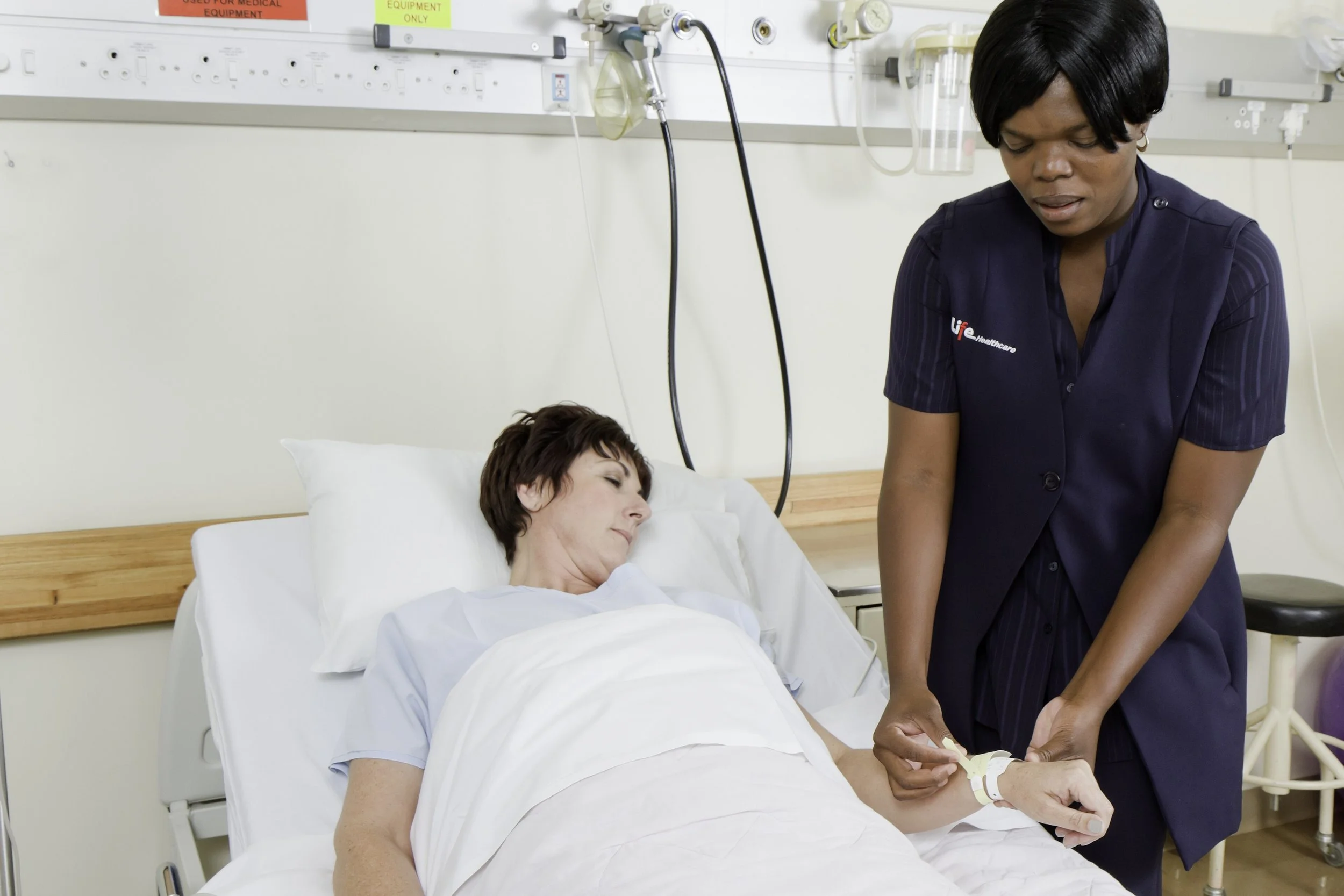
The Role of Mindset in Surgery
A recent study showed that in mastectomy patients, psychological wellbeing was a determining factor in post-operative pain and vitals, with a positive mindset and mental health correlated with improved patient outcomes. Read the study here.
-
![CC-Zero Darak Shaneh Aluddin]()
Quality over Quantity
When it comes to promoting well-being, the quality of close friendships takes priority over the amount of friends. Though, for young adults, close friendships may cause more distress than for older adults due to high emotional involvement during hardships. Read the study here.
-
![CC-BY-SA-4.0 Martin Falbisoner]()
Sleeplessness causes waking "sleep states"
Research shows that in sleep-deprived states, lapses in attention are the brain’s attempt at replicating sleep while awake. By flushing out old cerebrospinal fluid, a process that usually happens during sleep, the body tries to make up for the cognitive and physical deficits of poor sleep. Read more.
-
![CC BY-SA 2.0 scem.info]()
Forgiving is Good for Health
A recent global study links forgiveness to overall well-being, correlated to optimism and sense of purpose. Forgiveness is also associated with lower risk of heart disease and better sleep. Read the study here.
-
![CC-BY-SA-4.0 JBequio]()
Do More, but Retain Less
Early studies had us to believe that multitasking could be achieved with mastery, but recently we have found that multitasking is associated with more mistakes and longer times to complete tasks. Read more.
-
![CC-BY-SA-2.0 theilr]()
Habits Help Us Learn
While we have thought for decades that human learning is motivated by the reward-system, new research shows that more complex learning is related to habit and working memory. Read more.
-
![CC-BY-2.5 Alvesgaspar]()
Togetherness drives happiness
A recent APA poll shows that Americans who spend more time with others live longer on average and are less likely to experience anxiety and depression. Read more.
-
![CC-BY-SA-4.0 Dhdnzk]()
With Excercise, Mindset Matters
Studies show that doing physical activity with the strong belief that one is doing satisfactory exercise shows more improvement in physical health than having low expectations. Read the study here.
-
![CC-BY-SA-3.0 Nevit Dilmen]()
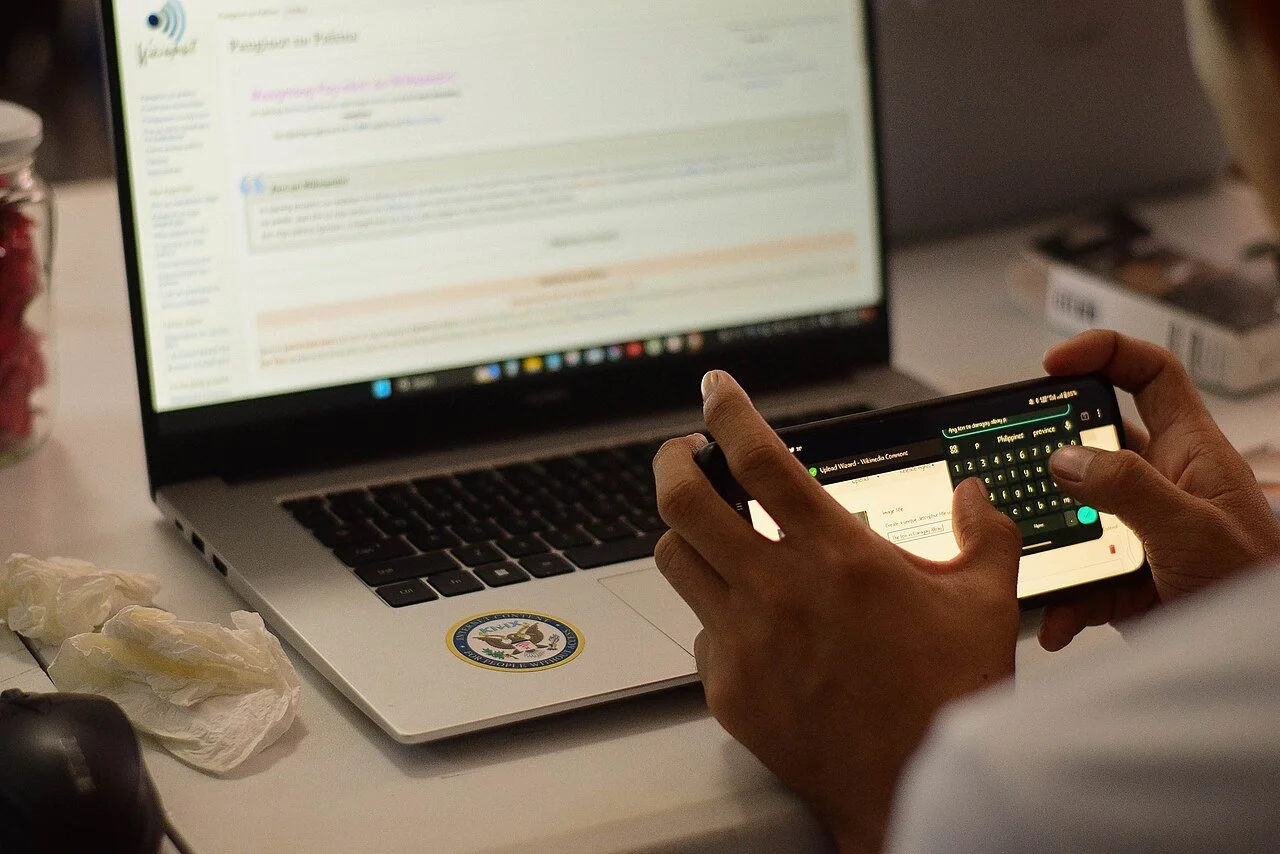
Technology and "Digital Dementia"
Excessive use of fast-paced digital technology in teenagers and young adults correlates with cognitive decline, resulting in shortened attention spans, decreased memory and reasoning skills, higher anxiety rates. Read the study here.







Our Partners